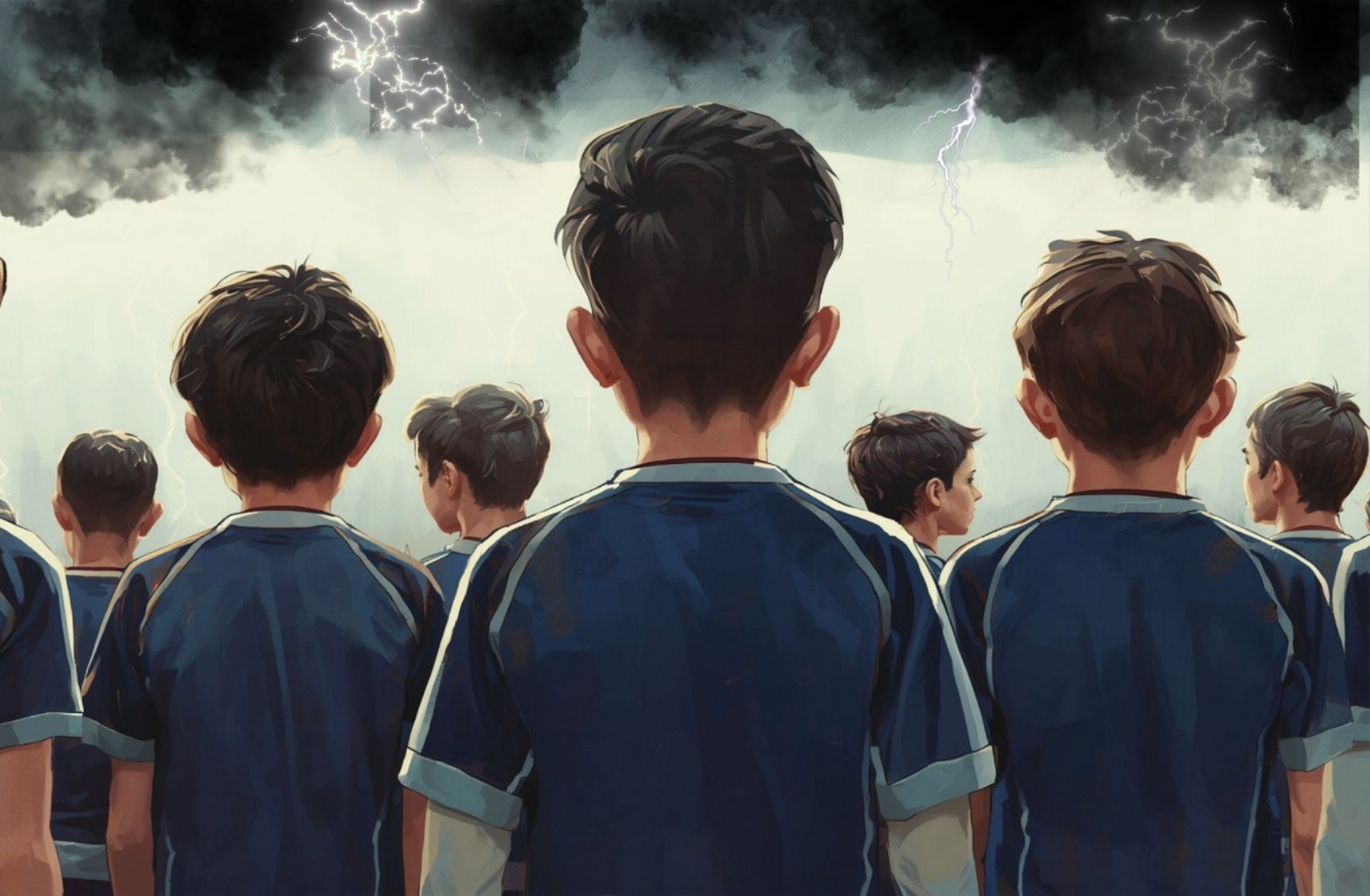
Whitecaps London follows the CSA/OSA lightning safety standards—when thunder roars, everyone goes indoors. Player, coach, and spectator safety always comes before the game
Severe Weather Policy – Lightning Safety
The safety of players, coaches, officials, staff, and spectators is the top priority during any weather event affecting matches or training sessions sanctioned by the Canadian Soccer Association (CSA) or Ontario Soccer (OSA). Whitecaps London follows the lightning safety guidelines set out by these governing bodies and Environment Canada to minimize risk during severe weather.
Referees have the final authority to delay, suspend, or restart a match due to weather conditions. Delaying the stoppage of play—or resuming play too early—can result in serious injury or loss of life. All referees, coaches, and team officials are expected to act responsibly and err on the side of caution when lightning is detected.
When lightning is observed, count the seconds between the flash and the sound of thunder. Divide this number by five to estimate the distance in miles. If the time between lightning and thunder is 30 seconds or less, everyone must seek safe shelter immediately. This is known as the 30/30 Rule: if the flash-to-bang time is 30 seconds or less, stop activity and move to safety; do not resume play until at least 30 minutes after the last clap of thunder.
Key Safety Guidelines:
Lightning can strike up to 10 miles from a storm and may occur even when skies appear clear.
Lightning awareness must begin with the first flash or clap of thunder, no matter how far away.
High winds, dark clouds, or distant thunder should all be treated as warnings to take immediate precautions.
Larger groups require more time to evacuate safely; therefore, officials should act promptly to move all participants and spectators when lightning risk is detected.

Safe Shelter Locations:
Any fully enclosed building with plumbing and/or electrical wiring (e.g., a clubhouse, school, or changing facility).
If a building is unavailable, a vehicle with a solid metal roof and closed windows (not a convertible or golf cart) can provide protection. Avoid touching metal parts inside the vehicle.
Do not seek shelter under trees, metal structures (fences, poles, bleachers), or near open water. Avoid being the tallest object in an open area.
If no shelter is available, crouch low to the ground on the balls of your feet, place your arms around your knees, and minimize contact with the ground. Do not lie flat.
Unsafe Areas Include:
Open fields, tall or isolated trees, metal fences, flag poles, and standing water. Avoid using wired telephones; use a cellular phone only when in a safe location.
Play may only resume after a minimum of 30 minutes has passed since the last observed flash of lightning or sound of thunder. This waiting period must restart each time thunder is heard or lightning is seen.
If a person is struck by lightning, they do not carry an electrical charge and can be safely touched. Call emergency services immediately. If necessary, move the victim to a safe area and begin cardiopulmonary resuscitation (CPR) as quickly as possible. Immediate and sustained CPR greatly increases survival chances for lightning-strike victims.
Whitecaps London reminds all officials, coaches, and team managers to familiarize themselves with safe evacuation routes and nearby shelters at each facility. Safety comes first—no game or training session is worth risking a life.
For additional guidance, visit Environment Canada’s weather safety resources at www.weatheroffice.gc.ca
More Articles
Privacy Policy
Acceptance of this Privacy Policy is mandatory at registration. Whitecaps London adheres to strict data security and provincial standards to protect the confidentiality and safety of our players and families.
Read Article

Canada Soccer Safety Guide
Whitecaps London fully implements the Canada Soccer Safety Guide, ensuring national standards for safe sport, concussion care, and player protection across every program.
Read Article